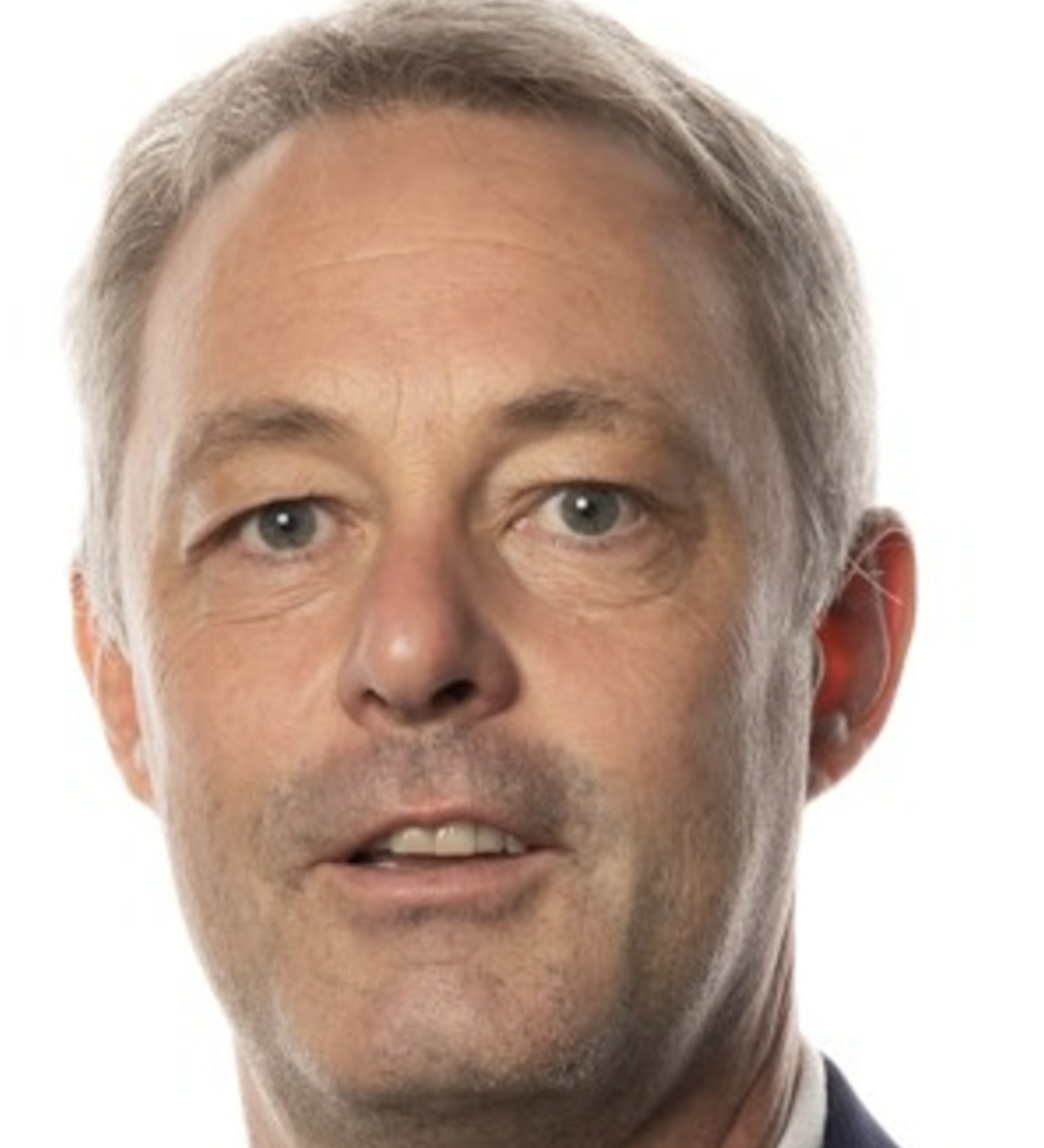

Espen Mehlum is the Head of Energy at the World Economic Forum. His focus areas include the global energy transition, energy efficiency and demand, the future of clean fuels, AI’s energy impact, and power system transformation.
With over two decades of experience in both government and the energy sector, Mehlum began his career as an adviser at the Norwegian Ministry of Petroleum and Energy (2000–2004). He then served as the First Secretary and Energy Adviser for the Norwegian Delegation to the OECD and IEA in Paris (2004–2006). He holds a degree in French Business Language (1998) and a Master’s in Economics and Business Administration from the Norwegian School of Economics (1999). He spoke to The Innovator about the energy transition and this week’s Energy Forum, which took place at the WEF’s headquarters in Geneva on September 16.
Q: What message should business leaders take away from this year’s Energy Transition Index?
EM: Our Energy Transition Index, which we have been producing for 16 years, covers 120 countries and 43 indicators. It benchmarks security, affordability, and sustainability but also enabling factors such as innovation, finance, infrastructure, talent, and human capital. Last year the overall performance rose slightly, and transition readiness fell for the first time in over a decade despite $3.3 trillion invested in clean energy and innovation. We can and must move much faster. Some two-thirds of global emissions come from the use and production of energy, so it is very important for it to be sustainable but also available for all, secure and affordable. The glass is only half full. Climate change is accelerating. We haven’t been able to bend the curve, but due to innovation and scaling in renewables, more efficient cooling and appliances, and improving batteries, we are better off than we would have been without any action. On security, geopolitics are changing. There are new risks out there. The energy crisis and the closing of the Strait of Hormuz is causing ripple effects throughout the whole energy system. Because of the crisis, prices are going up, impacting the least affluent consumers and nations the most. Governments and companies are reflecting on what it means and how they can improve their energy security and resilience without raising energy costs. Demand for electricity is also rising fast due to data centers and electrification of transport, industry, and rising cooling needs outstripping supply, so we need to modernize the grid, build the systems of tomorrow to become more flexible, and think of them as critical infrastructure.
Q: The Energy Transition Index lays out three priorities: designing in security and resilience from the start, unblocking delivery through grid and infrastructure buildout, and restoring investability. How is the Forum’s own program — the Centre for Energy and Materials — helping to move these three things forward?
EM: The World Economic Forum is a catalyst and platform for cooperation. By convening the most relevant stakeholders, we derive insights that companies and governments can use. For example, we have launched an initiative on the future of power systems, addressing how to create more resilient and sustainable electricity systems and accelerate innovation. UpLink, the World Economic Forum’s early-stage innovation engine, organized a global startup competition. The 10 finalists were announced during the Energy Forum and connected to other stakeholders. We are also bringing together financiers with electricity ecosystem players to pinpoint bottlenecks. On the fuel side, we are looking at how to accelerate more sustainable fuels of different kinds across sectors and applications. And, more generally, we try to take global insights and apply them at regional and national levels. For example, we are working closely with Malaysia to help it achieve its ambitions to phase out coal by 2040 and boost green energy.
Q: The Energy Transition Index data shows electricity demand climbing sharply, partly because of AI. While AI could become a net accelerant of the transition, today it is a net strain on already-stretched grids. How do you see this evolving?
EM: We are still in the early days of the AI revolution. Today data centers use 1% to 1.5% of global electricity. That figure is expected to rise to 3% by 2030, according to the International Energy Agency. It is a small figure, but it is the fastest-growing electricity demand increase next to cooling. What is challenging is that it is very concentrated geographically. Most data centers are being built in the U.S. and China. Other economies are trying to determine how they should approach the building of data centers to safeguard their sovereignty. This will require additional capacity. The good news is that during the Energy Forum the CEO of Emerald AI, one of our speakers, announced a first-of-its-kind coalition advancing data centers that can dynamically manage their electricity use in response to grid conditions. This new coalition brings together 20 companies and organizations spanning the AI and energy sectors. The coalition maintains that flexible AI data centers could unlock an additional 100 GW from our existing grid while reducing the interconnection bottleneck, and that every 10% improvement in grid utilization could reduce utility rates by 3.4%. This could be a win-win and reoptimize energy systems.
Q: The Energy Forum included other high-profile entrepreneurs whose companies have developed technologies to ease grid congestion. What role do you see for deep tech in the energy transition, and how do you see traditional energy companies and industry in general working with startups and scale-ups going forward?
EM: Innovation is the engine needed to meet the energy needs of tomorrow. Energy players have historically underinvested in early-stage R&D compared to other sectors. That is changing, but the sector needs to invest more in deep tech to help it scale. The application of AI to energy and material innovation will be fundamental to helping the sector progress. We also need deep tech advances to be better connected to the later stages of the technology application and scaling journey. And we need to think systemically. Much of the innovation today is coming from technology convergence: combining deep tech progress in areas like materials, digital, biology, robotics, and others in smart ways to solve hard energy challenges and create value for consumers.
Q: What does the Forum hope to accomplish by convening leaders at the Energy Forum?
EM: There are no simple answers to the challenges the sector is facing. That is why we invited 170 people from 34 countries, including a big delegation from China, to grapple with similar challenges from different vantage points. We need new forms of cooperation — multilateral but also between the public and private sector — to solve security and sustainability challenges. The Forum sparked ideas, and we will incorporate these insights into our upcoming initiatives and events.
Q: What would you like readers to take away from this interview?
EM: This is a moment of challenge, confusion, and uncertainty, but overall, the direction of travel is clear. Most people agree that we need to make energy more sustainable. It is not only about making the supply cleaner but also the demand. The challenge is how do we use the best technologies to solve some of the biggest issues? To do this will require companies and governments to see the interest in working together to move things forward. Nobody can solve this on their own.
This article is content that would normally only be available to subscribers. Become a subscriber to see what you have been missing