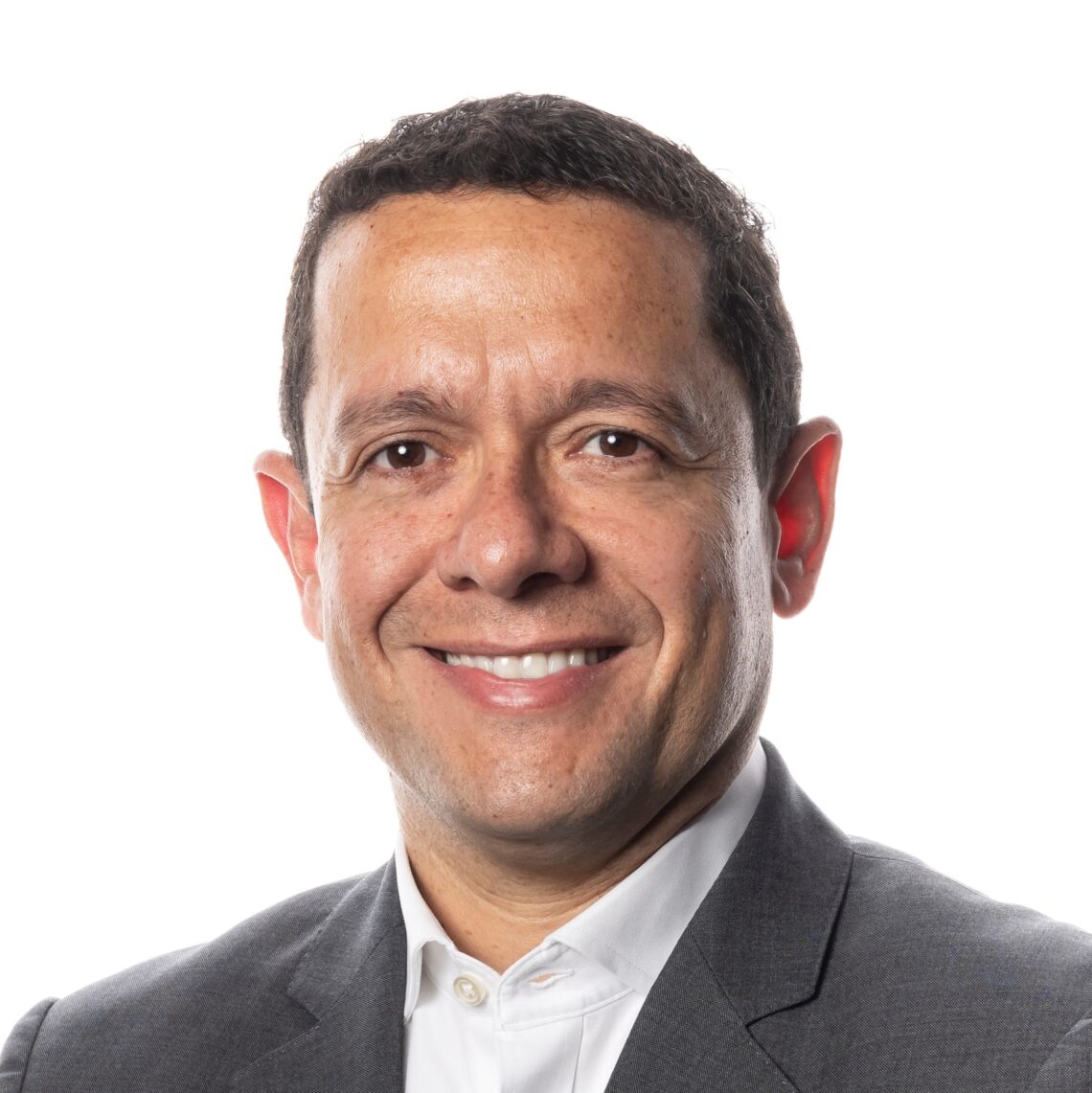

Fernando J. Gómez, PhD, is the Head of the Future of Materials program at the World Economic Forum and a member of its Executive Committee. At the Center for Energy and Materials of the Forum, Gómez oversees initiatives to improve the resilience, sustainability, and productivity of materials used in our economy. Through most of his Forum career, he led the Chemical Industry practice and roles addressing issues such as pollution and climate resilience. Gómez’s expertise includes partnerships for technology development, technology strategy, and corporate innovation. After his doctoral and postdoctoral work in chemistry, he worked at AkzoNobel in technical development and venture relations. The Innovator interviewed him at the Forum’s Annual Meeting of the New Champions in Dalian, China, about the future of materials and how technology will impact them.
Q: Why is the World Economic Forum focusing on the future of materials?
FG: Materials systems underpin every productive activity. While energy or mobility are almost obvious examples, the built environment, our digital economy, wellness, and art all rely on functional materials systems. I emphasize systems because the challenges or the opportunities may not only be related to technical performance, but to how they are traded, the labor associated with them, the finance of peripheral infrastructure, and especially new technologies in them. It’s a very systemic view.
We are responding to the interests of our partners and stakeholders to identify opportunities to improve materials systems, for example, to address vulnerabilities around mineral-based systems and improve their resilience. Similarly, while materials producers have been working on improving their sustainability, we are not done yet. We still need to lower emissions in the production of critical building blocks of our economy, such as steel or aluminum, and we still have significant challenges in other areas, such as pollution. So we are asking: in what ways can materials systems be improved, what would enable that improvement, and what does it take to deploy those enablers effectively?
We have proposed that materials systems can be improved to increase their resilience, sustainability, and productivity, and proposed a handful of enablers of that improvement, such as financial capital, international collaboration, human capital, or frontier technologies. Similarly, policy and regulation or standards can make a great deal of difference in improving these systems—or, as some call it, the materials transition. Our program focuses on developing shared understanding and supporting the collaborative structures needed to effect change.
Q: Given the current geopolitical environment, do you think it is possible to achieve global collaboration?
FG: Yes! Just not only in the ways in which we know global collaboration. Global materials systems are also at risk of increased fragmentation, and one single approach no longer fits. There are other architectures of international collaboration that may prove more functional, including bilateral or plurilateral structures, regional hubs, and other avenues that countries are already using to collaborate. This is not to abandon the concerted collaboration advanced through multilateral and global structures but rather an opportunity to explore additional archetypes that appear more realistic and functional right now.
Q: Can you talk about how you are working with industry?
FG: Businesses in general (not only materials producers, but manufacturers, consumer goods companies, and even financial institutions) supply the building blocks of our economy and society. For them, it is important that the arteries of materials flows (such as our global trade system) function, that policy and regulation are smart and act as real enablers of progress through productive materials systems. They see the need to avoid a disjointed, choked system and especially call for greater certainty for long-term investments in a very volatile landscape right now. This is why it is important that we bring all the stakeholders together to identify models of cooperation.
Q: How is artificial intelligence impacting materials systems?
FG: The role of AI and frontier technologies in improving materials systems is far greater than we have understood. AI use in materials discovery is already giving results, and there are already different approaches being deployed. But there are other applications that are just as transformative, including the use of AI to improve the production stages, bringing savings and overall better processes through more effective use of tools and equipment. Just like we can use AI for energy efficiency, AI tools can be used for materials efficiency (e.g., to reduce waste in manufacturing, making materials systems more productive and more sustainable). Through AI we will increasingly learn how we as consumers use materials and what role we can play in improving productivity. I am very optimistic about the use of AI in the acceleration of a circular economy—not only in recycling using smarter sorting systems, but also deployed upstream to the root issues we are trying to address through circularity: inefficient use of resources, material-application mismatch, or productive traceability.
We will be looking at the frameworks needed for other sectors. At the same time, we are working with the Forum’s innovators community on ways to use technology—not just materials science—to improve materials systems.
Just like in other fast-paced technologies, the policy and regulatory upgrade needed to accompany their deployment doesn’t move as quickly. We build on the network and experience of the various Centres for the Fourth Industrial Revolution to understand what policies and regulations need to be put in place and how to collaborate in their deployment.
Q: Can you give us an idea of the kind of issues policymakers will need to tackle for materials systems?
FG: There are many: A startup develops an AI tool that helps a partnering company in its R&D—what are the emerging considerations around IP ownership? Similarly, in what ways should corporate health and safety guidelines change when robots and AI algorithms join humans at the bench? Are there new ethical and safety concerns around materials used by customers, and are insurance companies equipped to deal with new, emerging liabilities? These types of questions are appearing now, and at the Forum, we are ready to take them as an opportunity to work across stakeholder groups in addressing them.
Q: What would you like The Innovator’s readers to take away from this interview?
FG: There is great societal, economic, and environmental value to be unlocked through better materials systems, and we are ready to support our partners and stakeholders in this effort.