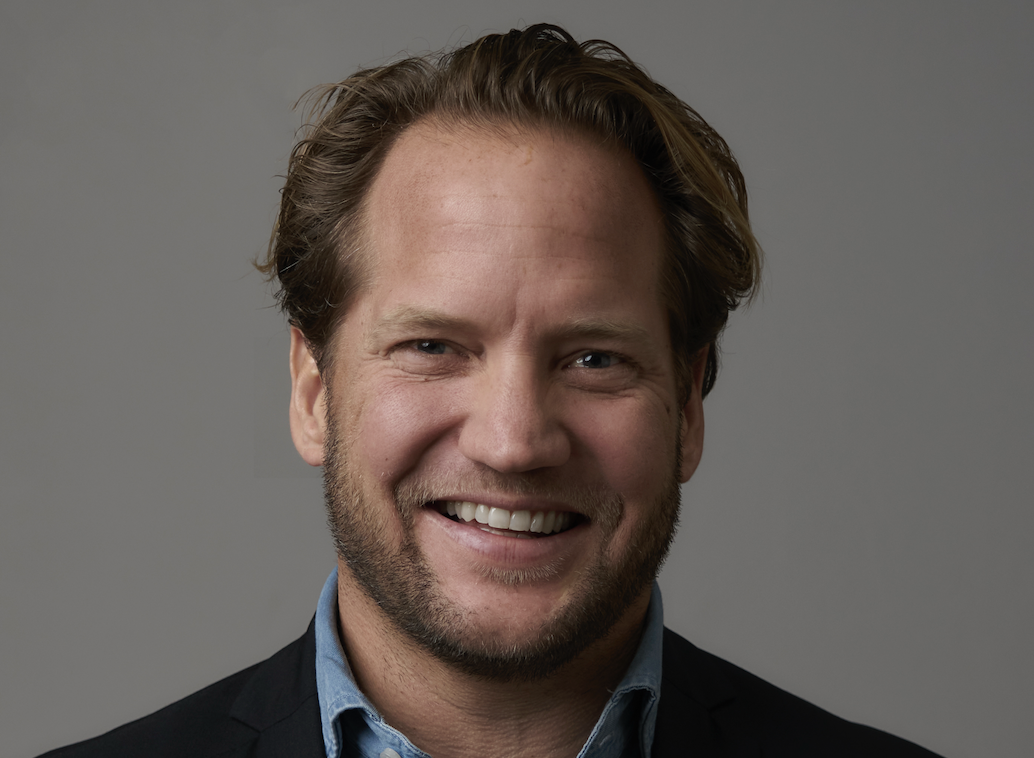

UnlikelyAI is using a combination of deep learning, large language models and neuro-symbolic methods to develop trustworthy AI for companies in regulated industries that want to benefit from automation and can’t afford to make mistakes. It is currently targeting the banking, insurance and accounting sectors. Customers include Lloyds Banking Group and SBS Insurance.
“Our mission is to make AI trustworthy,” says founder and CEO William Tunstall-Pedoe. “The trust issue is holding back AI adoption in enterprise. It is literally a trillion-dollar problem. The current trillion-dollar infrastructure buildout is in anticipation of the huge amount of demand from businesses and consumers. The rate at which enterprises adopt AI is relevant to their market caps. If we can solve the trust issue the market will accelerate.”
Tunstall-Pedoe is a serial entrepreneur. In 2012 Amazon acquired his voice assistant startup, Evi. He then went to work for Amazon, where he held a senior product role in the team that designed, built and launched Alexa and the Echo product range, which incorporated much of Evi’s technology.
After leaving Amazon he began work on UnlikelyAI, which is based in London. The company, which has so far raised $25 million, only recently emerged from stealth mode. It has been on the market for nine months.
In an interview with The Innovator Tunstall-Pedoe explained why UnlikelyAI is developing a neuro-symbolic approach. Software can be divided into two types: statistical machine learning models of which large language models (LLMs) are an example and conventional software. The latter, once programmed, is typically accurate ( if not it is considered a defect or bug.) It can also explain in detail what it did to produce a solution. However, such systems are very poor at solving problems involving complex data such as natural language, sounds or images. Machine Learning addresses these difficult problems but is a statistical guess so it is wrong a percentage of the time. It also cannot reliably explain what it did. “Neuro” is shorthand for the world of statistical machine learning and “symbolic” refers to the conventional non-statistical software. By combining these two technologies together into a neuro-symbolic system UnlikelyAI says it getting the best of both worlds – the processing of complex data such as insurance policies and regulations while getting the very high accuracy, consistency and explainability of the symbolic world.
UnlikelyAI says its neuro-symbolic AI platform is a good fit for regulated industries that fall into a high-risk category. The EU’s AI Act specifies that high-risk AI systems must be transparent, explainable, and auditable, otherwise they will be fined up to €20 million or 4% of their turnover. Identified high risk sectors include recruitment, medical devices/decisions (software included), creditworthiness, benefits and health and life insurance.
UnlikelyAI won the Excellence in Claims Technology Award at the Insurance Times Awards 2025 — a recognition of its work in bringing high-precision AI to one of the most critical parts of insurance: claims.
A case study on its website outlines how SBS Insurance, an insur-tech company that is modernizing insurance claims processing, is using Unlikely AI’s technology to process thousands of claims monthly across multiple insurance lines for insurance carriers.
SBS Claims faced significant operational hurdles in their quest to scale claims processing:
- Manual processing bottlenecks: Claims handlers spent excessive time reviewing each claim, limiting daily processing capacity
- Regulatory compliance concerns: Initial experiments with LLM-based AI solutions failed because the explanations generated were not regulatory-ready
- Accuracy requirements: The insurance industry demands near-perfect precision in claims decisions, which traditional AI couldn’t deliver
- Audit trail limitations: Existing AI solutions operated as “black boxes,” making it impossible to understand or explain decision-making processes to regulators and customers
Traditional LLM solutions can process claims but their low accuracy rate means every decision requires manual verification, negating any efficiency gains, according to the case study/Unlikely AI says its proprietary precision engine was able to deliver 99%+ accuracy on definitive answers, complete an audit trail generation for every decision made and easily integrate with SBS Claims’ existing workflow management systems.
“When you make direct comparisons between our technology and state-of-the-art LLM platforms the numbers speak for themselves,” says Tunstall-Pedoe.
Like insurance, in banking and accounting the cost of being wrong and/or in breach of regulations is very high. Accuracy, explainability and consistency are key, he says.
For now, the company is focusing on insurance and financial services but has ambitions to later serve the broader enterprise market, he says.
UnlikelyAI is not the only company trying to solve AI’s accuracy and transparency problems with neuro-symbolic systems. Large companies like EY, IBM and AWS are also working on this approach as are startups like UMNAI and Augmented Intelligence Inc. UnlikelyAI’s differentiator is its unique proprietary technology, Tunstall-Pedoe says.