
Precision Neuroscience is a U.S.-based neurotechnology company developing next-generation brain–computer interfaces. Its technology offers a direct connection between the human brain and computers to provide breakthrough treatments to the millions of people worldwide suffering from neurological injuries and disorders
The company, which operates at the intersection of biotechnology, neuroscience, and medical devices, is a member of the World Economic Forum’s Global Innovators community. CEO Michael Mager was a speaker at the Forum’s annual meeting and at Science House, an accredited Forum event organized by Frontiers, the open science publisher, Jan. 19-23.
Precision received its first approval from the U.S. Federal Drug Administration (FDA) in 2025 which allows the device to be implanted for 30 days. The company plans to insert a permanent implant in a human by next year. It holds 10 U.S. patents, 32 pending U.S. patent applications, and over 55 international pending patent applications on its technology and says it currently holds the world record for the number of electrodes placed on and recording cortical data from a human brain (4,096).
Think of it as the world’s highest resolution picture of human thought, says the company.
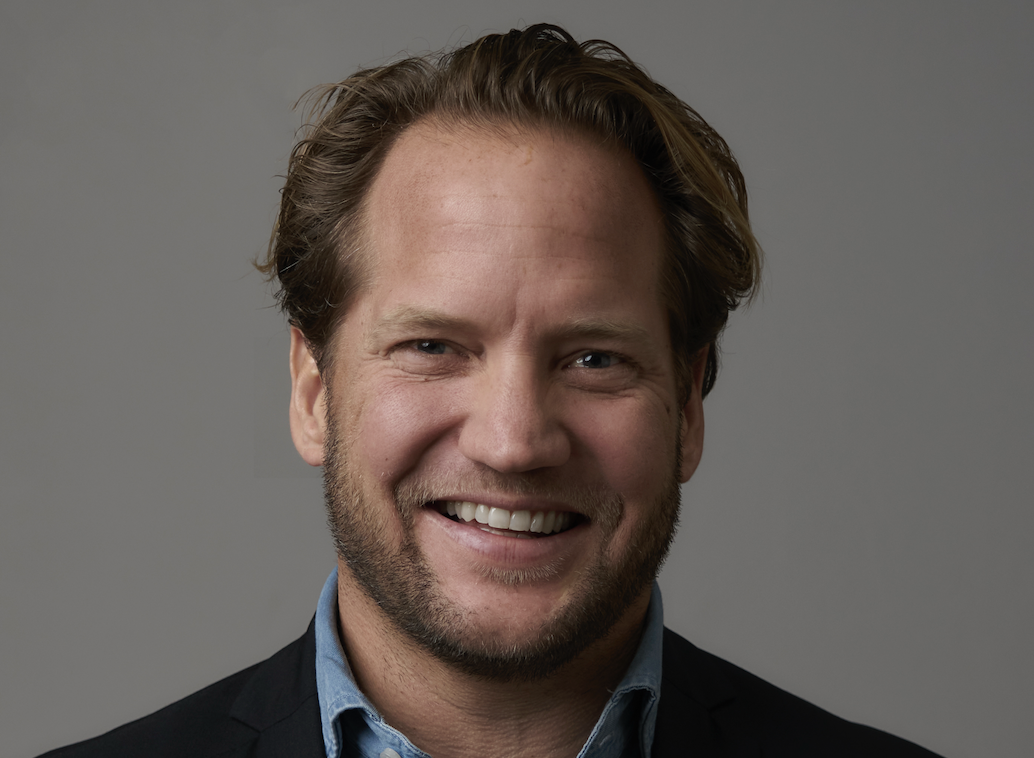
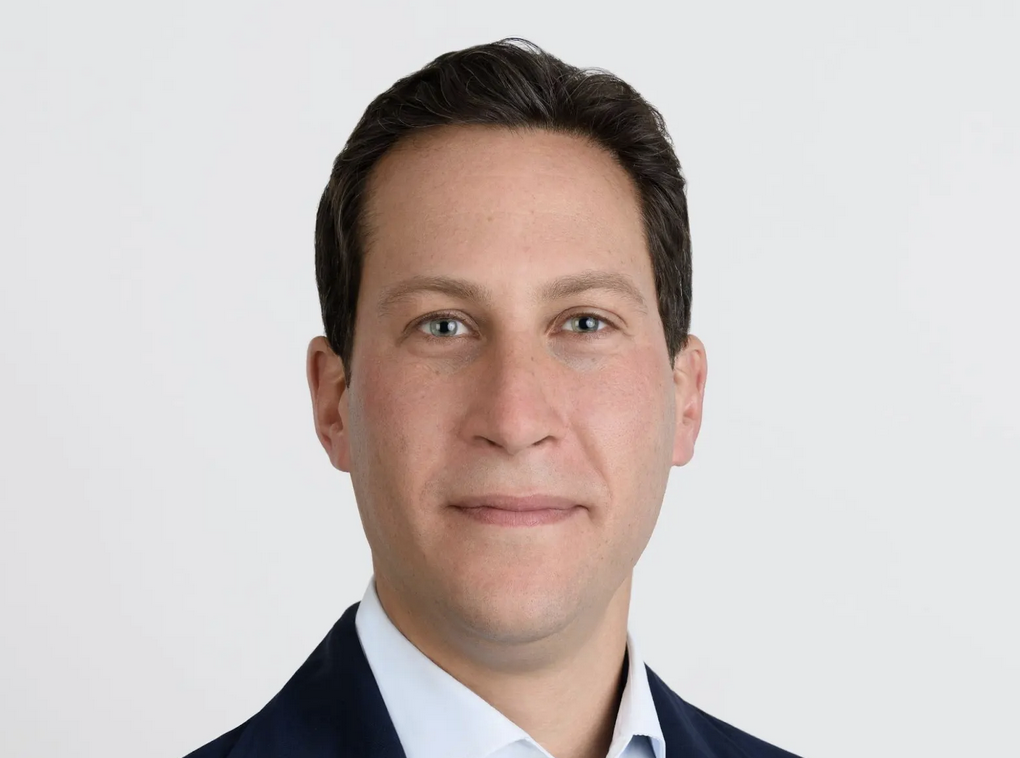
“Brain-computer interfaces could be life-changing for people with paralysis—helping them speak, work, and live more independently—but until now we have lacked the ability to access the brain safely,” say Mager, who co-founded the company in 2021 with neurosurgeon and engineer Ben Rapoport.
Precision, which has so far raised $180 million in venture capital, set out to develop something that had never been built before: a high-bandwidth connection to the brain that does not rely on penetrating electrodes, which damage brain tissue. In October last year, Precision published peer-reviewed research in the publication Nature Biomedical Engineering that demonstrated, for the first time, that high-resolution brain signals can be captured and used for decoding and stimulation with an array that rests safely on the brain’s surface. It is designed to conform to the surface of the brain and is inserted using a patented, minimally invasive “cranial microslit” procedure developed by Rapoport, and, says the company, is engineered to be safely removable.
Precision’s implant, called Layer 7 Cortical Interface, is a strip of flexible, thin film material that packs 1,024 electrodes into a small surface area — providing 600 times greater electrode density than standard cortical arrays. Brain signals are recorded by the thin-film electrodes on the brain’s surface and translated into computer code by a processing unit, located between the skull and the scalp. The information is relayed to a connected digital device, turning thoughts into actions. Examples include enabling a paralyzed person to operate a computer keyboard with their mind or helping a person who has suffered a stroke, to regain their ability to speak at a rhythm approximating the speed of thought.
“Our technology is a bridge out for these patients,” Mager said during an interview in Davos.
Precision has created a community advisory board with members from the spinal cord injury and stroke communities and hope to expand it by adding members of the has Amyotrophic lateral sclerosis (ALS) community.
The company has successfully tested temporary forms of its device in nearly 70 human patients.
Multiple Use Cases
Its first revenue stream comes from an unexpected application: helping guide neurosurgeons.
Today, neurosurgeons often rely on separate tools to visualize brain structure and function, which can limit the precision and speed of intraoperative decision-making. In January Precision announced a partnership with medical equipment maker Medtronic, which makes a real-time 3D surgical navigation platform. The partnership brings together Precision’s high-resolution electrode technology and Medtronic’s real-time 3D surgical navigation platform to deliver an end-to-end system designed to provide real-time functional and structural information in the operating room.
“We didn’t set out to do this but discovered this application on the way,” says Mager. “It is an example of how this technology can end up being useful in ways we don’t foresee.”
Precision faces competition in its main area of focus, connecting human brains with computing devices to help people with paralysis to control devices with their thoughts –
Rivals include Synchron, a Jeff Bezos- and Bill Gates-backed Australian startup, and Neuralink, which was co-founded by tech entrepreneur Elon Musk, founder of Tesla, SpaceX and xAI, among others.
Synchron’s wireless implant is delivered to the motor cortex by being threaded through the jugular vein in a minimally invasive, catheter-like procedure, avoiding the need for surgery. Synchron says it was the first to link its BCI to an iPad, allowing a person with ALS to navigate apps and write text using only his thoughts. That same patient had previously controlled an Apple Vision Pro headset, according to the company, and later connected to Amazon’s Alexa using the implanted device, which allowed him to turn on lights, make video calls and play music without using his hands, voice or eyes.
Neuralink surgically implants a small device with electrode threads that read neural signals, allowing users to control computers and robotic arms, with early human trials showing promise for restoring digital interaction and communication for those with severe conditions like ALS.
The functionality of Synchron’s device is limited by their delivery method, says Mager. “Our ambition is to return paralyzed patients to work which requires a higher bandwidth connection between the brain and computers.”
Neuralink’s approach is more invasive, says Mager, and its ambitions go beyond human health. Precision co-founder Rapoport is a co-founder of Neuralink but left the company after a year. (Precision was launched with a team of four people, three of whom had spent time together at Neuralink.)
According to a March 2023 news report, which cited Neuralink employees, the U.S. Food and Drug Administration (FDA) itself “raised safety concerns” related to “device’s lithium battery; the potential for the implant’s tiny wires to migrate to other areas of the brain; and questions over whether and how the device can be removed without damaging brain tissue.”
In addition, Musk has repeatedly said the goal of the company is “to achieve a symbiosis with artificial intelligence which is not necessarily in line with developing treatments for patients,” according to the Physicians Committee for Responsible Medicine,
Ethical Concerns
While the implantation of brain interfaces could offer people with neurological problems life-changing abilities, they also raise serious issues.
Black Mirror, a TV series that explores the dark, cautionary, and often satirical consequences of modern technology, aired an episode that explored what would happen if the implants were tied to subscription services and providers kept jacking up the price, threatening to shut them down if patients didn’t pay up. The episode also raised the possibility that providers could offer a cheaper version that could take over a patient’s brain and prompt them to verbally parrot advertising slogans.
The novel Dream Hotel, by Laila Lalami, which was longlisted for the Booker literary prize, imagines a world in which brain interfaces can read people’s thoughts and dreams. An authoritarian government demands that brain computer interface providers turn over the data, then uses it to arrest people for crimes committed in their dreams.
Mager acknowledges that there are “risks in every direction. That is why I am here [in Davos] to participate in discussions,” he says. Today’s devices can only read which neurons are firing, he says. “Tomorrow can we read people’s inner monologue? There are indications that may be possible and that could have profound implications.”
Mager is a member of the World Economic Forum’s Global Future Council on Neurotechnology. The council has a working group on neuro ethics which is working on a charter regarding patient rights, such as their ability to switch providers and retain control over their data.
“We need to ensure that these systems work in the best interest of patients,” says Mager. “Everyone keeps talking about how we screwed up with social media by not anticipating the consequences. Fair enough. That is why we are trying to be proactive. We founded this company to do something good. It would be gut wrenching for it to be used for ill.”
This article is content that would normally only be available to subscribers. Become a subscriber to see what you have been missing